How Fintech Companies Can Prevent Identity Fraud with AI
Introduction
Financial transactions require trust, especially when lending to individuals you have never met. Online lending platforms aim to make borrowing more convenient for those who need quick access to funds for immediate expenses.
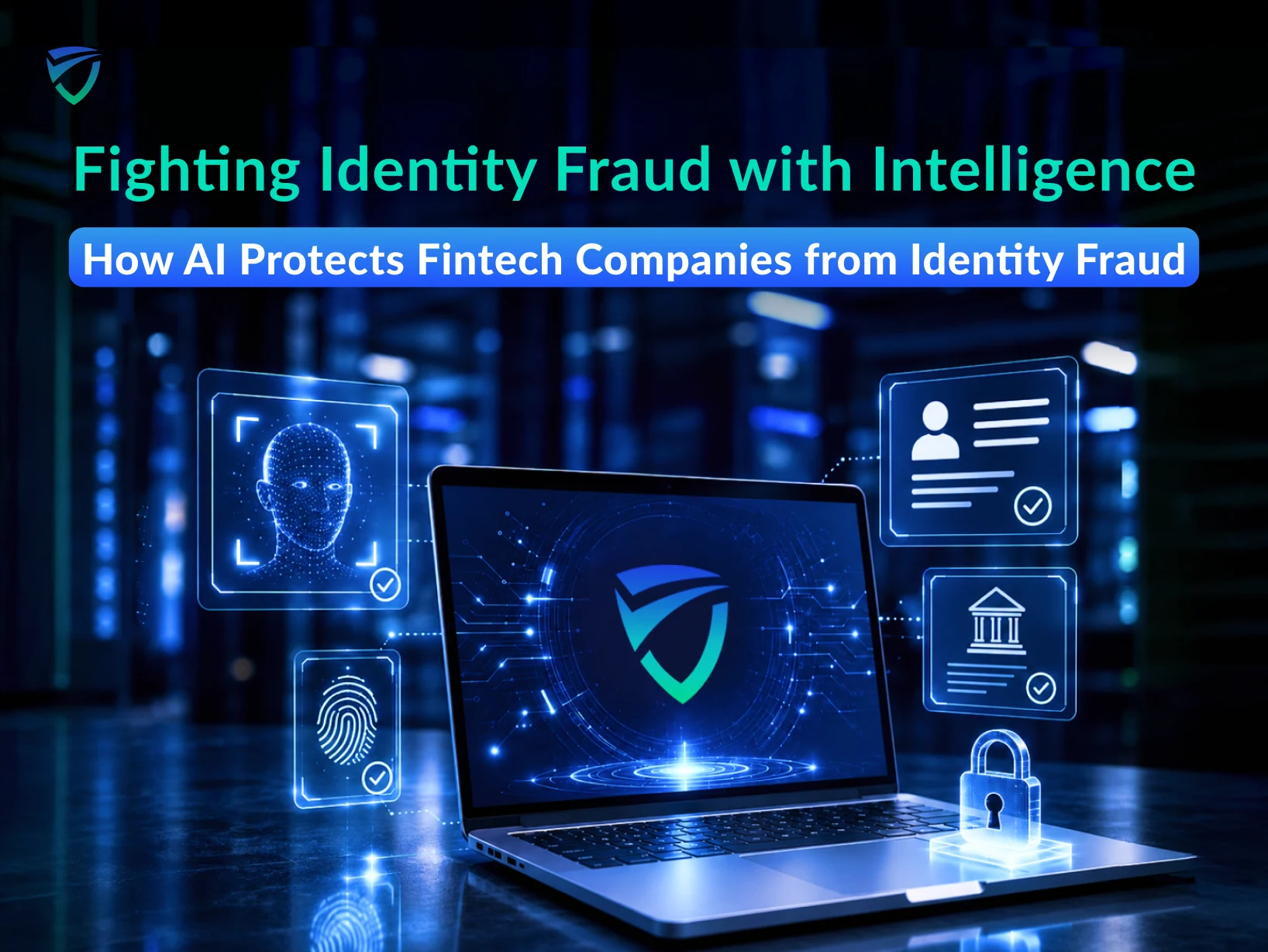
As digital lending, neobanking, and BNPL platforms expand in India and globally, fraudsters have become more sophisticated, using AI-generated documents, deepfake selfies, and synthetic identities that can evade basic checks. Manual document review and intuition are no longer sufficient. AI-driven fraud prevention is now essential.
At TrueShield.AI, we built our platform on a simple motto: if fraudsters use AI to attack, fintech companies need AI to defend. Here is how our approach works and why it is more important than ever.
Why Traditional Fraud Checks Are Losing the Race
For years, identity verification in lending and fintech relied on a standard checklist: collect the PAN card, obtain the bank statement, conduct a manual review, and approve. This approach was effective when fraud attempts were weak, such as poorly edited payslips or mismatched signatures.
That era has ended. Fraudsters now use generative tools to create bank statements with accurate formatting, realistic transaction histories, and convincing metadata. Synthetic identities, combining stolen and fabricated data, are designed to bypass static rule-based systems. Manual reviewers also face fatigue, making it difficult to detect subtle anomalies consistently.
This is the core challenge in fraud risk management today: the volume and sophistication of fraud attempts now exceed what manual processes can detect. Missing a single synthetic identity can result in financial loss, reputational harm, regulatory risk, and further exploitation by repeat offenders.
Digital fraud prevention in India is increasingly evolving. As the lending and fintech sector grows rapidly and the RBI enforces stricter KYC and digital lending standards, platforms must integrate fraud detection into the onboarding process. Solutions must be efficient for genuine customers and effective at identifying fraud.
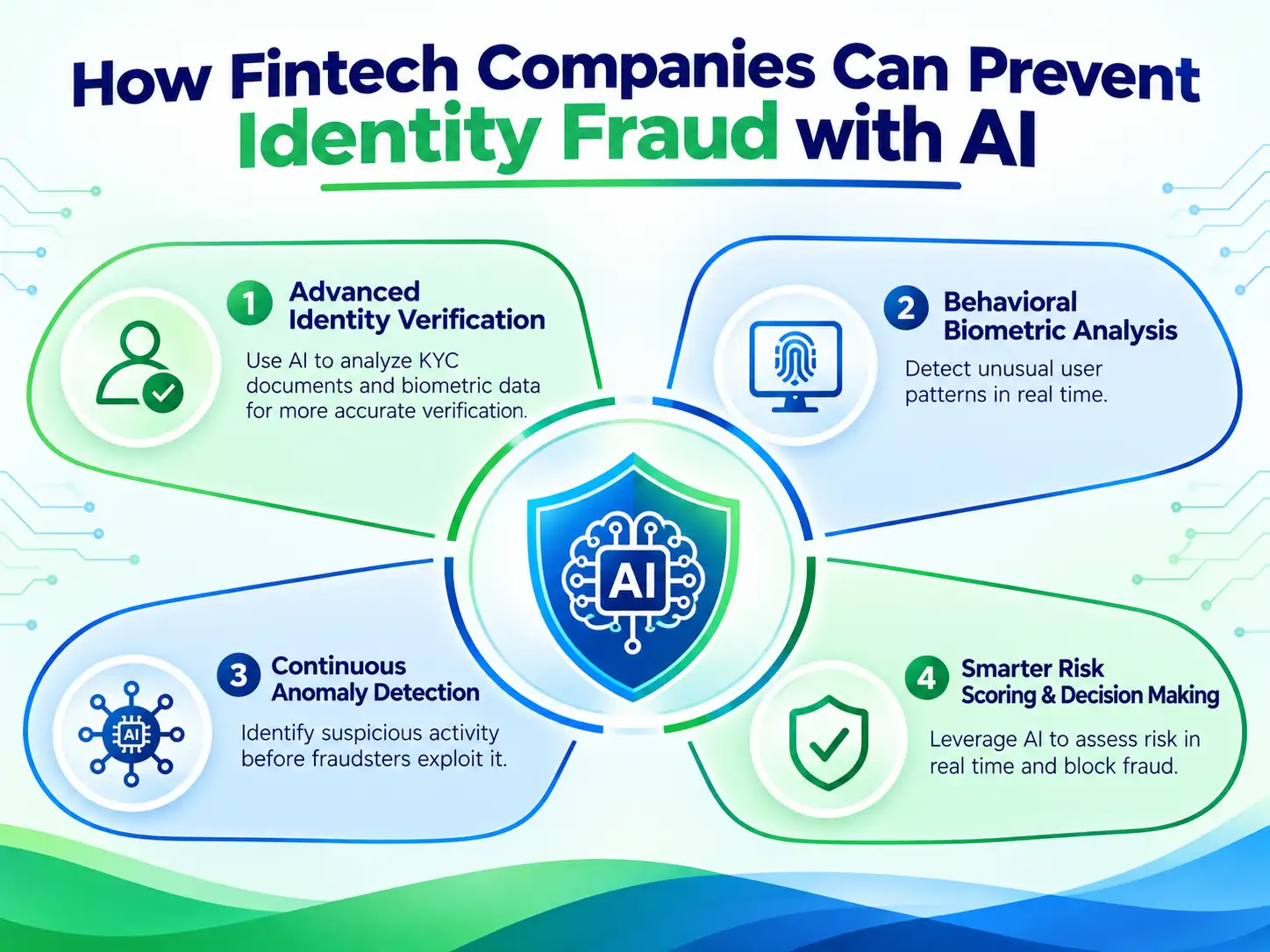
How AI Reduces Financial Fraud Risk
An AI-first approach involves multiple integrated layers, each designed to detect different types of fraud that others might overlook.
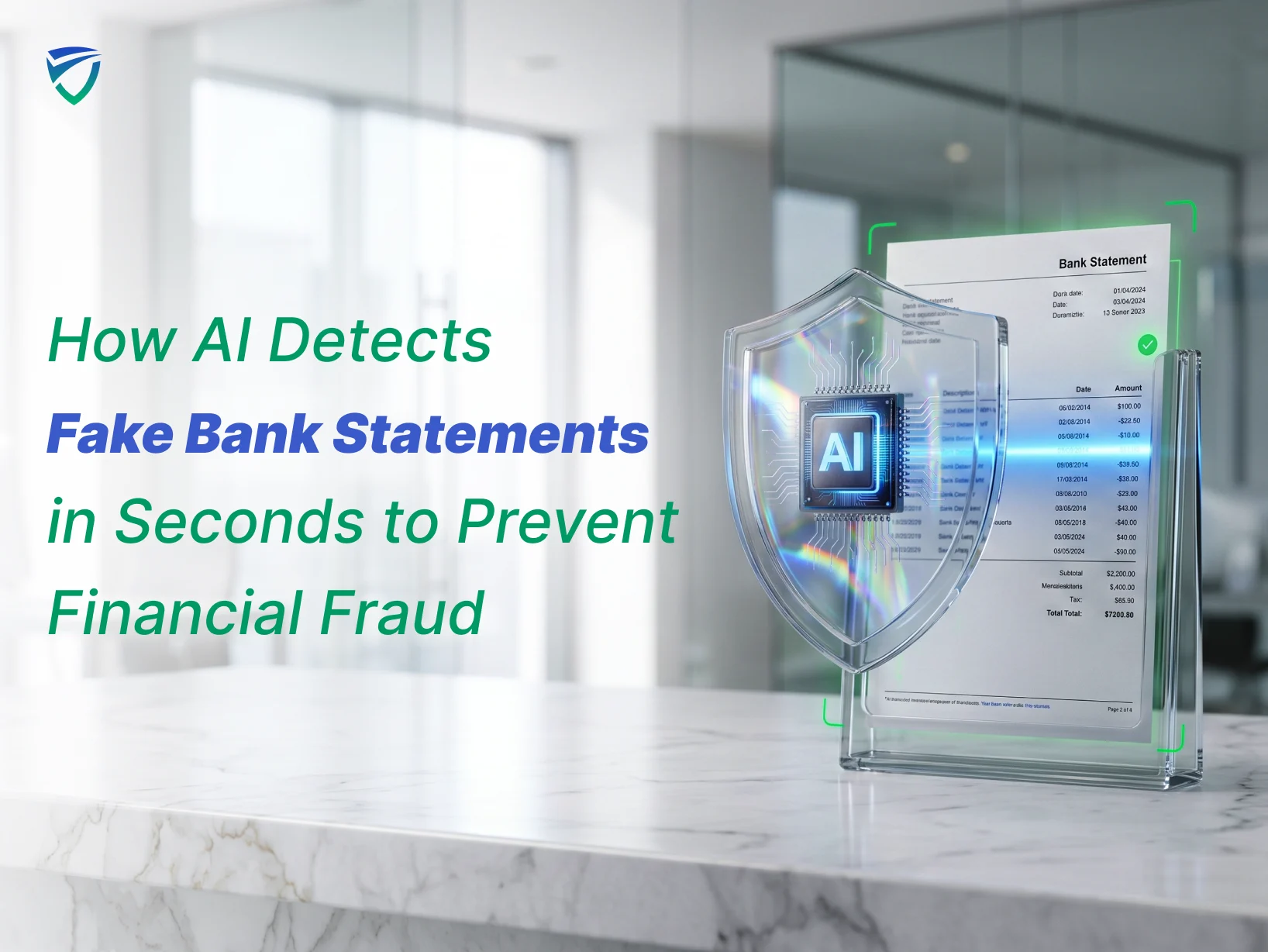
- Document forensics at machine speed: TrueShield.AI's engine doesn't just glance at a bank statement or ID; it inspects the file at a structural level. Metadata inconsistencies, font mismatches, edited transaction entries, tampered PDF layers, statistically improbable balance patterns- the kind of red flags invisible to a manual reviewer but glaring to a model trained on thousands of verified documents. What once took a compliance officer twenty minutes now takes seconds, without sacrificing accuracy.
- Behavioural and pattern-based detection: Genuine financial activity follows consistent patterns, such as regular income, spending habits, and transaction timing. Synthetic identities and fabricated documents often fail to replicate these patterns, even if they appear authentic. AI evaluates the overall behaviour, not just individual fields, to reduce financial fraud risk beyond what static checklists can achieve.
- WhatsApp and digital-first verification: As lending and onboarding shift to WhatsApp and mobile channels, verification must follow. TrueShield.AI enables real-time identity and document checks within these platforms, addressing the vulnerabilities that arise from assuming informal channels require less scrutiny.
- Continuous learning: Fraud tactics change frequently. A static model quickly becomes outdated. TrueShield.AI's systems continuously learn from new fraud patterns, which is essential for fintech teams operating in a constantly evolving threat landscape.
Combined, these layers enable genuine customers to complete onboarding in seconds while efficiently filtering out fraudulent applications, without delaying the majority of legitimate users.
Conclusion
Fraud prevention should not be viewed solely as a regulatory requirement. For fintechs and NBFCs, it is also a tool for building customer trust and supporting growth. Each fraudulent loan not only results in financial loss but also undermines the confidence of investors, regulators, and future customers.
Strong AI fraud prevention isn't about slowing down your funnel with friction. It's about building a funnel smart enough to move fast and stay clean, approving real customers in seconds while quietly closing the door on the ones who were never real to begin with.
That's the gap TrueShield.AI exists to close - for lenders, NBFCs and fintechs that prefer to detect fraud immediately rather than discover it later through costly write-offs. Integrate TrueShield.AI fraud detection into your fintech stack to strengthen protection.
Frequently Asked Questions
What's the difference between traditional fraud checks and AI-based fraud prevention?
Traditional checks rely on manual document review and static rule-based flags, useful for obvious forgeries, but easily fooled by today's realistic synthetic documents. AI-based prevention inspects documents at a structural level and evaluates behavioural patterns, catching inconsistencies a manual reviewer would likely miss, in a fraction of the time.
Does adding AI fraud detection slow down customer onboarding?
It's the opposite; AI verification runs in seconds, so genuine customers move through onboarding faster than they would with manual review. The friction only shows up for applications that don't hold up to scrutiny, not for the vast majority of legitimate ones.
Can AI catch synthetic identities that look completely legitimate?
Yes. Synthetic identities are designed to pass a surface-level glance. Still, they often fail behavioural consistency checks, income patterns, transaction rhythm, and spending history that AI is specifically trained to evaluate alongside the documents themselves.
Is AI fraud prevention only relevant for large banks, or can smaller fintechs and NBFCs use it too?
It's especially built for smaller lenders and fintechs that don't have large in-house compliance teams. Platforms like TrueShield.AI let them plug in enterprise-grade fraud detection without building the infrastructure themselves, which is critical as India's digital lending space scales and regulatory scrutiny tightens.