Manual vs AI Bank Statement Analysis: Which Is Better?
Introduction
Days are changing to digital so fast that it becomes difficult to imagine doing something manual. The digital change is for good. It has revolutionised every industry and sector. The idea of technology as a graduate is gaining traction across big companies. People have realised that manual verifications are slow, inaccurate and costly. Technology has been a blessing for companies in the service sector.
The growth of the fintech industry in India is clearly visible. They serve every customer with the same dedication and give everyone an equal chance to get the money they need. But in the process of serving customers, there is a risk of fraud, and even a small instance can cost companies dearly. People may debate the use of manual and AI checks in the fintech industry. Companies may not trust AI that easily, since the data they handle is sensitive.
Manual Bank Statement Verification
Manual verification has always been the traditional approach. Old companies used to rely solely on manual verification. It does have its own benefits. Like data privacy, because in-house teams check documents and do not share them with external tools. Human reviewers can also use their judgment and experience to understand unusual patterns that do not always fit fixed rules.
However, manual verification is also slow and depends heavily on the skills and attention of the person checking the statements. Large volumes of statements can take hours or even days to review. This delay can affect turnaround time for loan approvals or onboarding decisions. These are also more prone to human error, especially when data has to be entered into systems line by line. As the number of applications grows, it becomes difficult to maintain consistency in checks across different team members.
Because of this, manual verification is often costly. Companies must hire and train bigger teams to keep up with demand, and they must keep monitoring quality. Any missed fraud or even a small oversight can lead to large financial losses. So while manual verification offers control and familiarity, it struggles to scale and reliably detect complex fraud patterns.
AI Bank Statement Verification
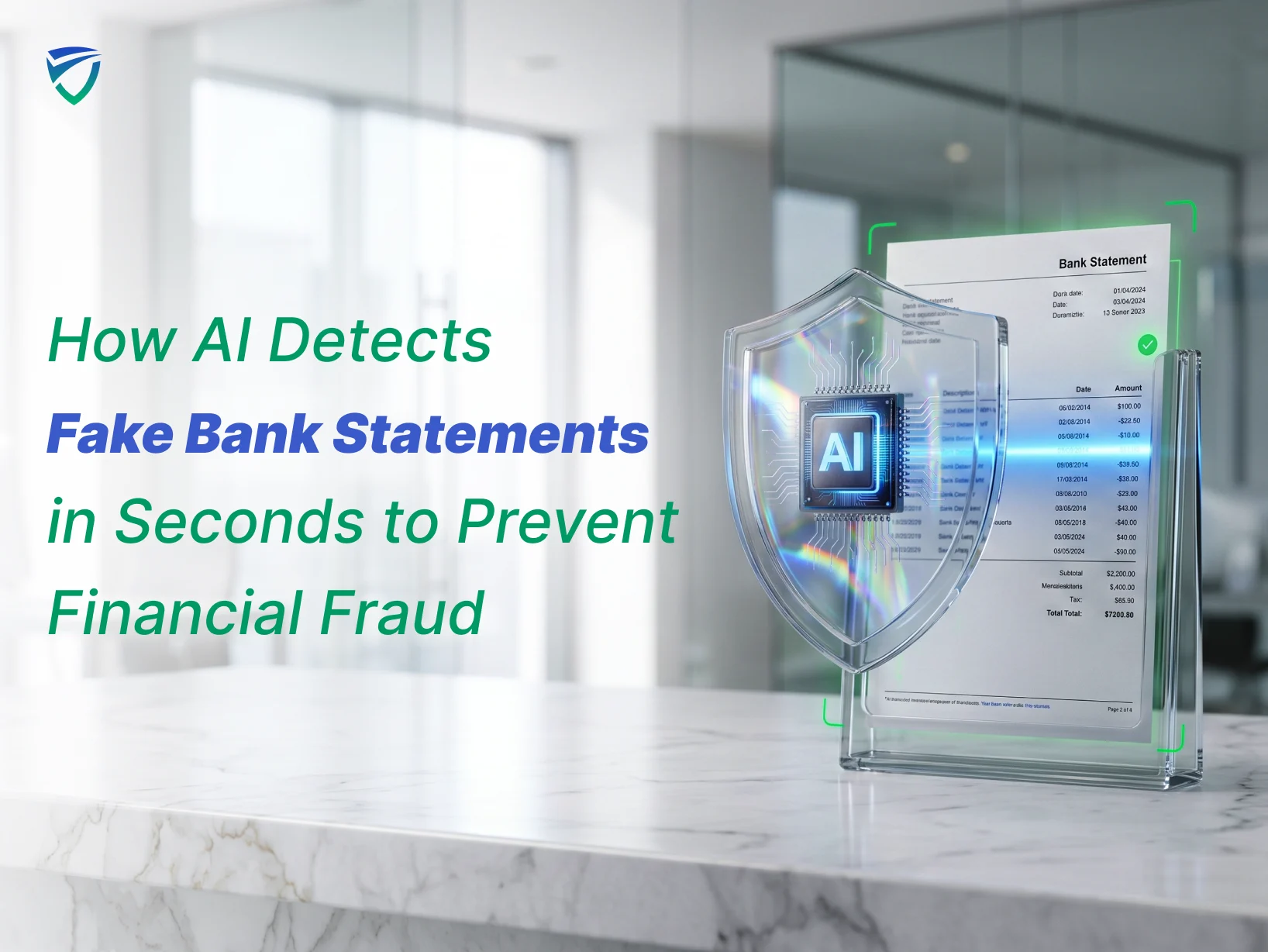
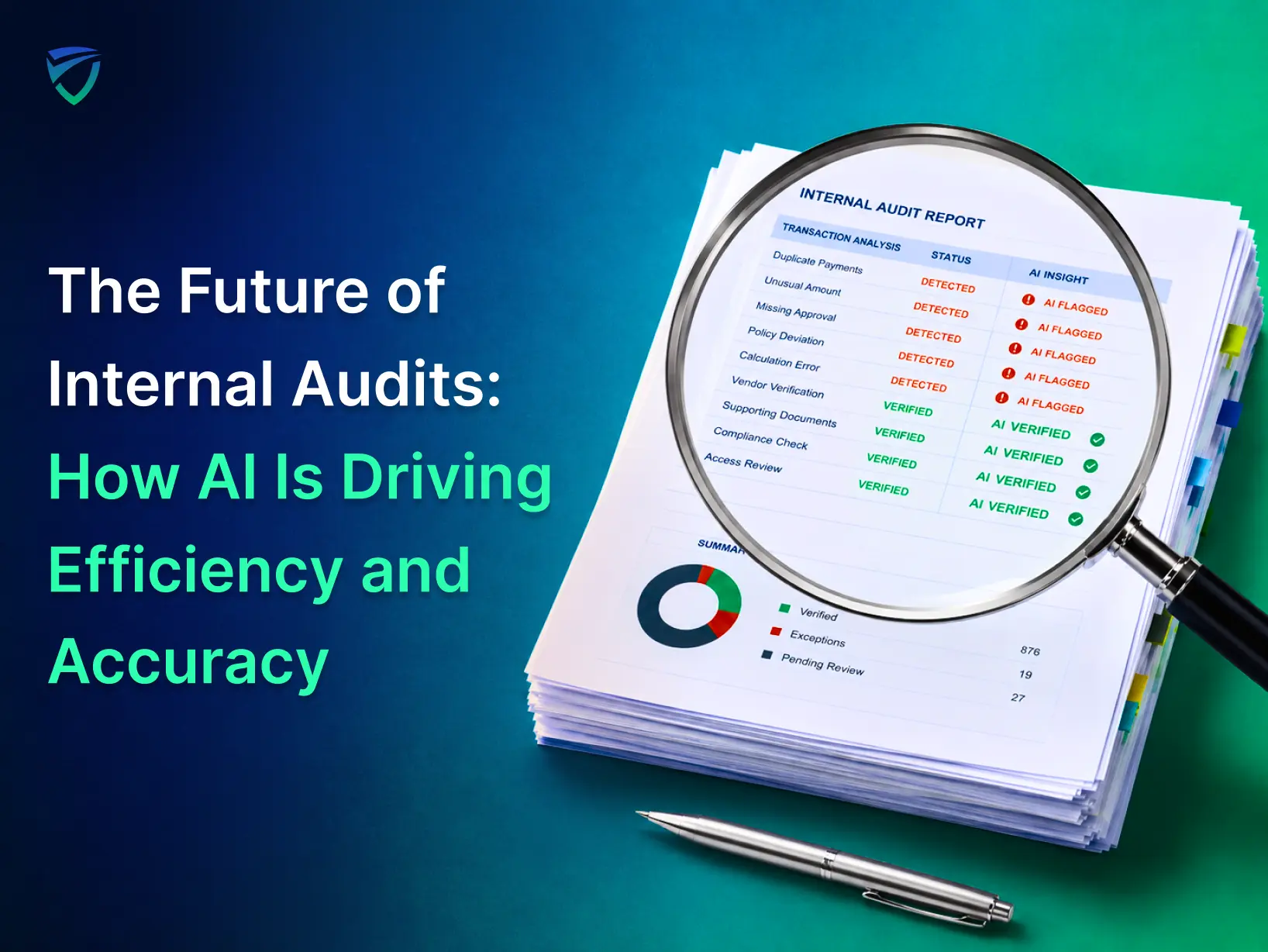
AI bank statement verification uses machine learning and automation to read, understand, and analyse statements in a fraction of the time. Instead of a person reviewing each page, an AI-powered bank statement analyser can automatically extract key data points, including income, balances, EMI payments, cheque returns, bounced transactions, and spending patterns.
The biggest advantage is speed and scalability. Thousands of statements can be processed in minutes, with the same level of checks applied to every file. This helps fintech companies, NBFCs, and lenders make faster decisions without compromising on the depth of analysis.
A bank statement fraud detection AI tool can:
- Identify tampered or edited PDF statements
- Flag mismatches between declared income and actual credits
- Detect unusual transaction patterns that could indicate money laundering or circular transactions
- Compare statements across multiple months or accounts to catch inconsistencies
Since the rules and models are centrally defined, an automated statement checker ensures that every statement passes through the same standard checks. This improves consistency and reduces the risk of human oversight.
At the same time, good AI solutions are built with security and privacy in mind. Data is encrypted, access is controlled, and logs are maintained to track who accessed which file. This helps companies stay compliant while still benefiting from automation.
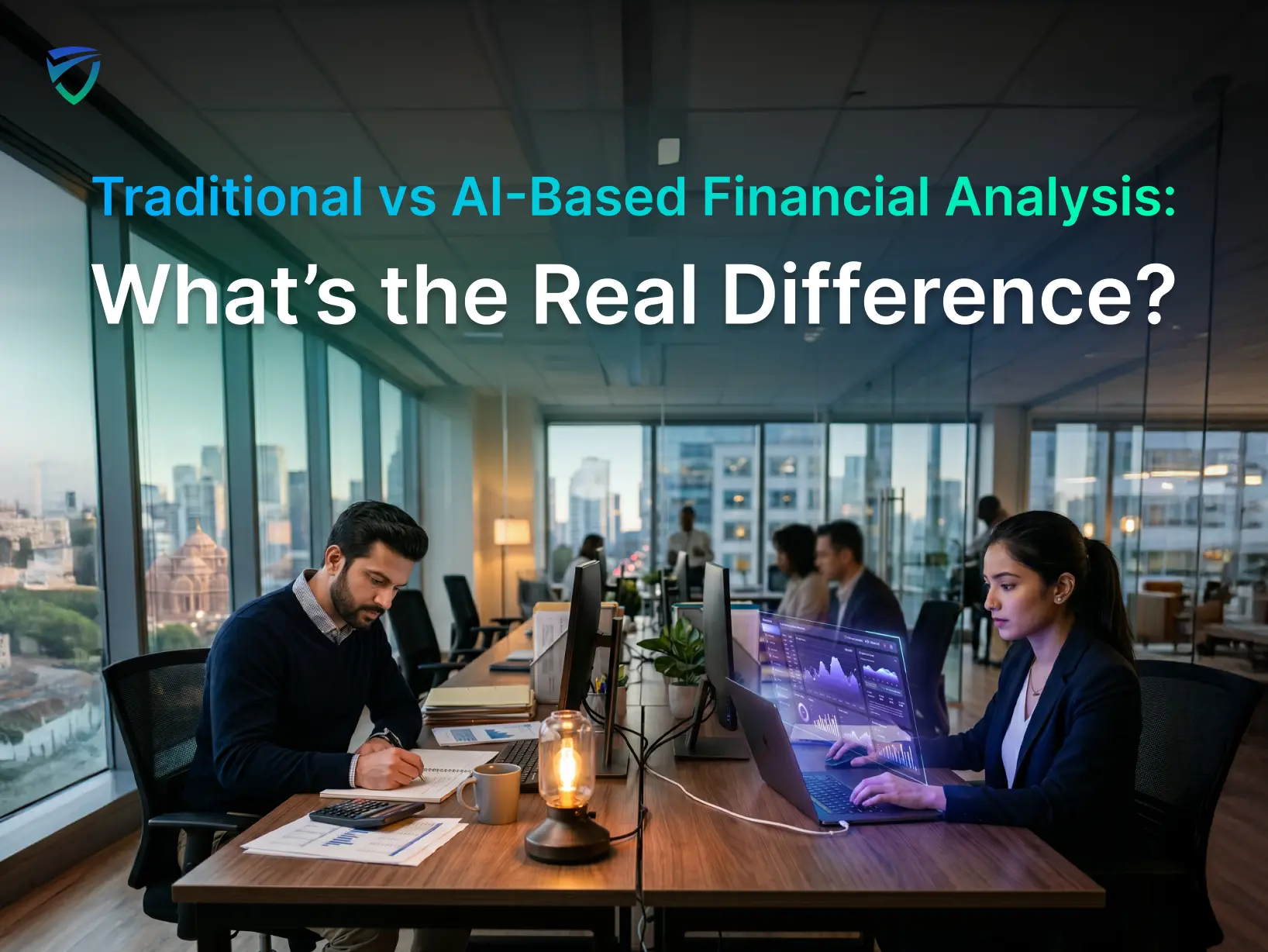
In practice, the best results often come from combining both approaches: using a bank statement analysis AI tool to perform the heavy lifting and highlight risk areas, and then allowing credit or risk teams to review the flagged cases manually. This way, AI handles speed and scale, while humans focus on final judgment and exceptions.
How Can TrueShield.AI Help You?
What if you could combine the human judgment of manual checks with the consistency and speed of AI in a single tool? That's exactly what TrueShield.AI offers. It helps you protect your business by bringing multiple types of verification onto one secure platform, so your teams can work faster without compromising on control.
With TrueShield.AI, you can run:
- WhatsApp number verification
- Document checks
- KYC processes
- Gender identification
- And many other identity-related verifications
Bank statement analysis is one of the areas where TrueShield.AI delivers the most value. Instead of manually reading through pages of transactions, your team gets structured outputs, clear summaries, and risk indicators that make decision-making easier and more reliable.
TrueShield.AI combines controlled verification with AI-driven analysis in a single workflow. It offers:
- End-to-end bank statement analysis with structured outputs, income and expense breakdowns, and risk indicators.
- Fraud detection for tampered statements, edited PDFs, and suspicious transaction patterns.
By integrating these checks into a single platform, TrueShield.AI reduces the need to juggle multiple tools or spreadsheets, reduces manual effort, and ensures that every application is evaluated with the same level of rigour.
Conclusion
Relying solely on manual checks slows decision-making and leaves more room for human error. AI-driven tools like TrueShield.AI help fintechs, NBFCs, and lenders process bank statements faster, detect fraud more effectively, and reduce operational costs, while still keeping human experts in control of final approvals. This hybrid approach gives you the best of both worlds: automation for scale and consistency, and people for context and judgment.